
Global Hospitality Tech: VR Flight Simulators & AI Trends
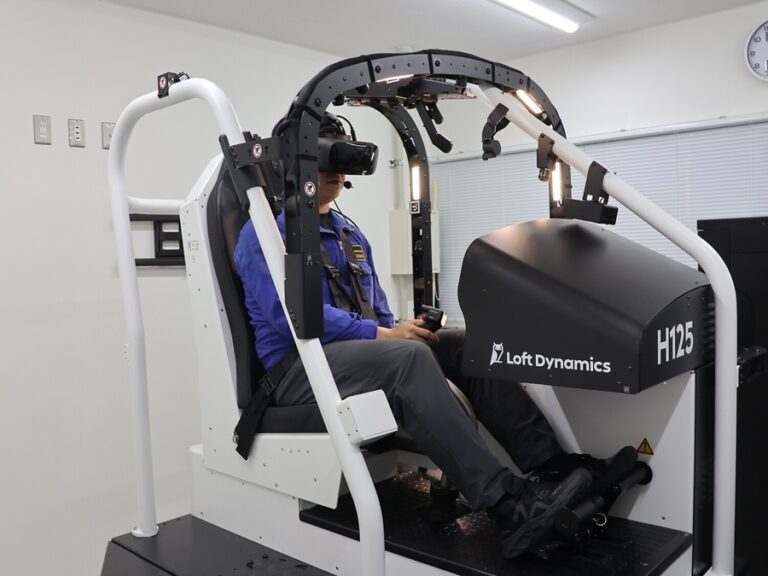 |
| Courtesy of https://www.auganix.org/ |
In this post, we explore Japan certifies Loft Dynamics' VR flight simulator and what it means for you.
Latest Travel Industry Briefings
Key Partnerships and Market Insights
Yesterday, May 27th, as the Muslim world observed Eid al-Adha, two prominent Muslim-majority nations in Southeast Asia finalized a significant tourism promotion agreement at ITB China 2026. This deal, involving Sarawak and Royal Brunei Airlines, highlights a growing focus on attracting Chinese travellers.
During his keynote at the Sino-European Dialogue at ITB China 2026 on Tuesday, May 26th, German Travel Association president Albin Loidl underscored tourism's role in fostering trust and emphasized Europe's vital position as a major source market for Chinese tourism.
Innovations and Industry Developments
The CEO of Roibos has pledged to democratize the travel distribution landscape, asserting that 'Hotels lost control' and signaling a shift in industry dynamics.
Discussions around Artificial Intelligence in travel are intensifying, with experts noting that robust governance will be the decisive factor in its ultimate success or failure.
Accor has reached a significant milestone, now operating over 150 franchise hotels across the Pacific region.
Tags:#Japan #LoftDynamics #VRFlightSimulator #AviationTech #FlightSimulation #TravelIndustry #Hospitality #SEAsiaTravel
Navigating Tomorrow: AI Governance, Tech Overhauls, and the New Horizons of Global Hospitality
The global hospitality and travel landscape is undergoing a massive transformation, driven by high-tech integration and aggressive regional market expansions. This week, the aviation tech sector reached a historic milestone as the Japan Civil Aviation Bureau (JCAB) officially certified Loft Dynamics’ virtual reality (VR) helicopter flight simulator to an FTD Level 7 qualification.Meanwhile, a parallel push for market capturing is unfolding on the convention floors of ITB China in Shanghai. During the event, the Sarawak Tourism Board formalised a major tourism promotion agreement with Royal Brunei Airlines aimed directly at boosting air links and regional connectivity for Chinese travellers. Dubbed the "Gateway to Borneo," this partnership leverages targeted destination marketing and collaborative feeder routes to tap into North Asia's immense outbound travel pool. Underscoring this momentum, German Travel Association president Albin Loidl highlighted during his keynote that tourism remains Europe’s vital bridge for fostering trust and capturing substantial Chinese inbound market share.
Yet, as markets expand, internal structural friction remains. The distribution landscape is experiencing open revolt. The CEO of B2B distribution platform Roibos issued a sharp wake-up call to properties worldwide, asserting that "hotels lost control" of their inventory to convoluted intermediary layers, signaling an urgent industry-wide pivot back toward direct-to-consumer data autonomy. This distribution shake-up arrives just as Accor hits an expansive milestone of over 150 franchise hotels operating across the Pacific region, illustrating that massive scale requires leaner, smarter ecosystem management.
Ultimately, the thread binding all these advancements together is data capability. As artificial intelligence conversations intensify across corporate suites, technology experts are warning that the line between success and failure rests entirely on robust AI governance. Without strict guidelines managing algorithmic pricing, operational automation, and guest privacy, the tech risks alienating the very travelers it aims to attract. In this fast-moving environment, the winners will be the brands that deploy advanced tools while keeping a firm, strategic hand on the wheel.
Comment from the Editor
The convergence of strict technological governance and aggressive commercial expansion is forcing hospitality leaders to rewrite their operational playbooks. Loft Dynamics securing Japan's first FTD Level 7 VR simulator qualification isn't just an aviation win—it proves that regulatory bodies are finally warming up to immersive, digital-first architectures. For hotel owners and operators, the takeaway is clear: legacy structures, whether in pilot training or fractured B2B distribution models, are actively being replaced by decentralized, high-efficiency technologies. Reclaiming market share in 2026 demands absolute tech sovereignty, rigorous AI oversight, and data-driven agility.
#AviationTech #HotelDistribution #AIGovernance #HospitalityTrends #TravelIndustry #ITBChina2026 #LoftDynamics #HotelNews