
How to Increase Traffic to Your Hotel Website and Boost Direct Bookings
How to Increase Traffic to Your Hotel Website and Boost Direct Bookings: A Complete 2025 Playbook
An evidence-based, step-by-step guide for independent hotels, resorts, and groups to win more direct revenue and reduce OTA dependency.
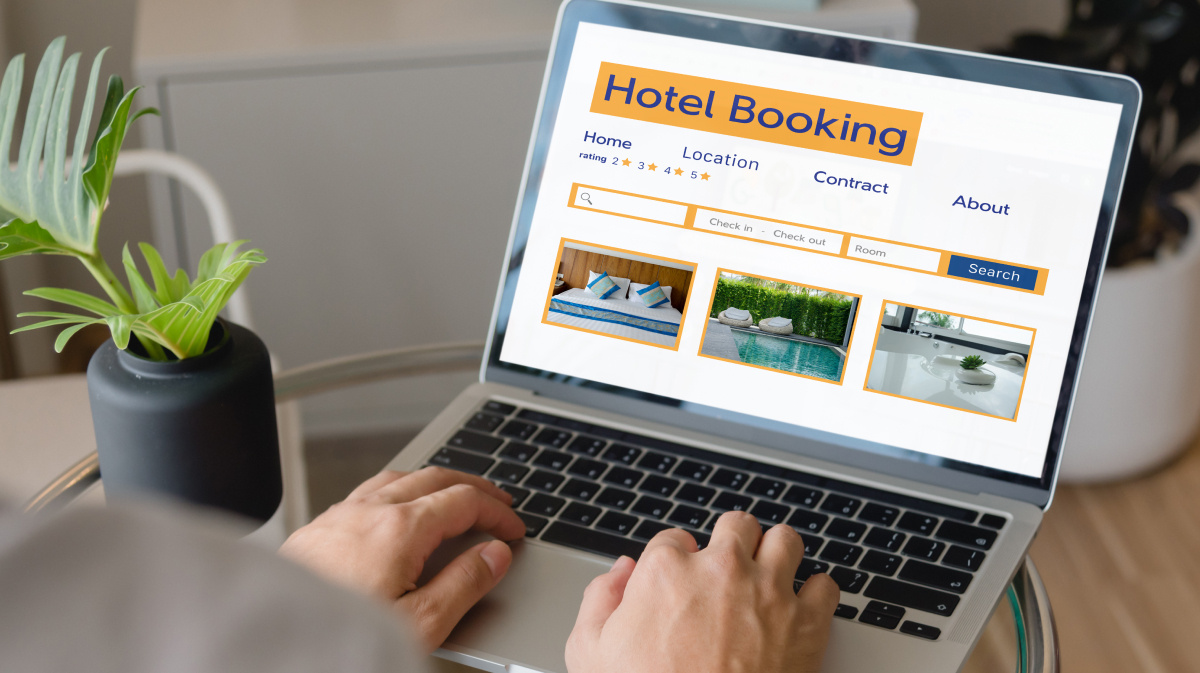
Why Direct Matters in 2025
Direct bookings aren't just about saving commission. They increase your control over guest data, pre-arrival upsells, on-property spend, and retention. The travel discovery journey is now heavily influenced by social platforms and mobile search. Your job is to intercept that demand with superior information, frictionless UX, transparent pricing, and remarketing that brings fence-sitters back.
Quick facts that shape your strategy:
- Travelers use social platforms like TikTok and Instagram as research tools, with social content driving trip planning and booking intent.
- Google's hotel surfaces (including free booking links) can send guests directly to your booking engine if you feed rates and availability and maintain high data quality.
- Cart/booking abandonment spikes when final prices show hidden fees; transparency and recovery journeys matter.
Why Direct Matters in 2025
Direct bookings aren’t just about saving commission. They increase your control over guest data, pre-arrival upsells, on-property spend, and retention. The travel discovery journey is now heavily influenced by social platforms and mobile search. Your job is to intercept that demand with superior information, frictionless UX, transparent pricing, and remarketing that brings fence-sitters back.
Quick facts that shape your strategy:
- Travelers use social platforms like TikTok and Instagram as research tools, with social content driving trip planning and booking intent.
- Google’s hotel surfaces (including free booking links) can send guests directly to your booking engine if you feed rates and availability and maintain high data quality.
- Cart/booking abandonment spikes when final prices show hidden fees; transparency and recovery journeys matter.
Define Your North-Star Metrics
Pick a few metrics that everyone understands. These will guide daily decisions and make trade-offs clear.
- Direct Booking Share (DBS)
- Website Conversion Rate (Sessions → Booking)
- Mobile Conversion Rate
- Metasearch Contribution (free + paid)
- Cost per Direct Acquisition (CPDA)
- Email Revenue per Subscriber
- Abandonment Recovery Rate & Revenue
Set quarterly targets (e.g., increase DBS from 28% → 38%; cut abandonment by 15%). Report weekly in a one-page dashboard.
Fix the Foundation: UX, Speed, Mobile, Trust
1) Mobile-First UX
- Compress images, lazy-load galleries, and minify CSS/JS to improve Core Web Vitals and reduce bounce rate.
- Simplify the booking flow to three steps max: Dates → Rooms/Rate → Guest/Payment.
- Use large tap targets, sticky “Book Now” bar, autofill for email/phone, Apple Pay/Google Pay where available.
2) Visual Trust
- Place recent guest reviews and UGC near rate cards; link to your Google ratings and top OTAs for validation.
- Use badges: secure checkout (SSL), trusted payment logos, and clear cancellation policy summary above the fold.
- Highlight price transparency: “Taxes & fees included” or a clear estimator before payment.
3) Accessibility & Inclusivity
- Readable fonts (16px+), sufficient color contrast, alt text, keyboard navigation, captions for video.
- Showcase accessible room types with photos, measurements (door width, roll-in shower), and booking filters.
- Make dietary and religious needs visible (halal, kosher, vegetarian/vegan options, allergen info).
4) Local Clarity
- Embed a mobile-friendly map; travel times to airport, ferry terminal, key attractions.
- “Why book direct” value adds: free breakfast, late checkout, welcome amenity, best-rate guarantee.
Search (SEO + Local): Own Your Demand
SEO builds compounding traffic that feeds your direct funnel. Focus on high-intent and mid-funnel content designed for skimmers and search engines.
1) Keyword Clusters
- Brand + location: “[Hotel Name] + City” and common misspellings.
- Commercial intent: “best family hotel in [City]”, “hotel near [Landmark] with pool”.
- Informational: “3-day itinerary”, “best beaches in [City]”, “where to eat near [Hotel]”.
2) Content System
- Create a Destination Hub with evergreen guides (where to go, best time to visit, transport, safety, etiquette).
- Publish Quarterly Event Calendars (festivals, concerts, sports) and package them with stay offers.
- Embed structured data:
Hotel,Product(for room types),FAQ, andReviewwhere permissible.
3) Local SEO
- Fully optimize your Google Business Profile: categories, attributes, high-quality photos, Rooms tab, and messaging.
- Post weekly updates and seasonal offers; answer Q&A and reviews promptly (within 24–48h).
- Acquire local citations (tourism board, chambers, event sites) with NAP consistency.
4) Technical SEO
- Fix crawl errors; ensure canonical URLs; use hreflang for multilingual sites.
- XML sitemaps for pages and images; submit to Google Search Console.
- Reduce render-blocking scripts and defer non-essential widgets.
Metasearch & Google Free Booking Links
Metasearch is where rate shoppers decide moments before clicking an OTA or your site. You need always-on participation, clean data, and competitive direct value.
- Ensure you’re eligible for free booking links on Google by connecting your rates/inventory (via your CRS/IBE or connectivity partner). See the official partner page and Travel Help docs.
- Maintain rate parity or a small direct edge (e.g., value-adds, flexible cancellation).
- Set up conversion tracking from metasearch to your booking engine and GA4 for CPDA and ROAS.
- Run brand-defense Hotel Ads sparingly where OTAs outbid you on your own name.
Learn more: Google partners & free booking links · How hotel search works on Google
Conversion Rate Optimization (CRO)
Small frictions cost big money. Your objective is to prevent abandonment—and when it happens, to recover it efficiently.
1) Kill Hidden Fees
Surprise fees at checkout trigger abandonment. Surface total price early, include resort fees in rate display where possible, and place a simple fees breakdown beside the “Book” button.
2) Shorten the Path
- Keep the booking flow to three screens; use progress indicator and guest detail autofill.
- Offer express checkout options (Apple Pay/Google Pay) and guest-mode booking (no forced account).
- Provide room-type comparisons side by side with concise differences.
3) Social Proof & Safety
- Show live review score, recency of reviews, and “last booked” signals (light-touch, avoid dark patterns).
- Display security badges and outline PCI-DSS compliant processing handled by your PSP.
4) Recovery Journeys
- Exit-intent capture: “Want 5% off your first stay? Get a one-time code via email.”
- Automated cart recovery emails/SMS within 30–60 minutes, then 24 hours; include deep-link back to the exact dates and room.
- Retargeting audiences synced to ads (search/social) with dynamic creative for viewed rooms.
5) A/B Testing
- Test direct value language (“Free breakfast” vs “Complimentary breakfast & late checkout”).
- Test price presentation (per-night incl. taxes vs per-stay total) by market.
- Test confidence nudges (flexible cancellation, pay at hotel, reserve now—pay later).
Rate Parity, Pricing, and Value Adds
Parity issues erode trust and push guests to OTAs. Win the tie or win on value.
- Audit OTA undercuts weekly; tighten wholesale leakage; contract clauses should forbid opaque undercutting.
- Use fenced rates: member-only, geo-targeted, mobile-only, or email-exclusive offers.
- Bundle experiences (spa credit, dining, transfers) to create apples-to-oranges value that OTAs can’t replicate.
- Publish a clear Best Rate Guarantee page with easy claim steps and a 10% match-beat policy.
Creators & Influencers: Performance Partnerships
Move from “free stay for posts” to measurable creator partnerships.
- Pay on outcomes (bookings, room nights, or qualified leads) with unique promo codes and trackable URLs.
- Brief for business impact: rates, key USPs, room to feature, promo code, terms (weekend blackout?), and a required CTA to book direct.
- Bundle shoot days to create a year’s worth of evergreen assets (seasonal wardrobe, multiple room types).
- Co-host small creator meetups or micro-retreats; gather UGC across formats in 48 hours.
Email, CRM, and Lifecycle
Email remains a high-ROI channel for direct bookings when segmented and automated.
- Collect consent at every touchpoint: Wi-Fi portal, booking engine, check-in tablet, and social lead ads.
- Automations: welcome sequence, browse/booking abandonment, pre-arrival upsells (room, F&B, spa), post-stay review + re-book offer.
- Segments: geography, stay intent (couples/families/business), trip timing (school holidays, weekenders), and rate sensitivity.
- Design for mobile first; use deep links that prefill dates on the booking engine.
Analytics, GA4, and Experimentation
Measure what matters, then iterate.
- In GA4, configure events for:
view_room,start_checkout,add_payment_info,purchase, and metasearch referrals. - Track source/medium to booking engine and back; verify cross-domain measurement.
- Link Google Ads and Search Console; import conversions to optimize search campaigns.
- Run one A/B test at a time; require statistical thresholds before roll-out.
- Traffic by channel (Organic, Direct, Meta, Paid Social, Paid Search)
- Conversion rate by device
- Abandonment rate and recovered revenue
- Metasearch clicks, bookings, CPDA
- Email revenue and list growth
Channel Playbooks
TikTok
- Post 4–6 short clips per week; mix viral hooks (“what $129/night gets you…”) with strong CTAs.
- Use location hashtags and on-screen captions; answer comments with video replies.
- Spark Ads on best UGC; partner with niche travel creators (family, wellness, surf) on outcome-based deals.
- Reels first, then carousels; Stories for flash offers and Q&A.
- Shoppable experiences: link in bio → rate grid landing page.
- Collaborative posts with local restaurants, guides, and events to share audiences.
YouTube
- Host 2–3 minute room tours, dining, spa, and “getting here” videos.
- Use Chapters and keyworded titles; pin a comment with booking link and perks.
- Create boards for “3-day itinerary,” “weddings,” “family vacation,” “wellness weekend.”
- Publish Idea Pins with quick tips and a final slide CTA to book direct.
Reddit & Communities
- Participate authentically in city/travel subreddits; answer questions, disclose affiliation.
- Offer exclusive subreddit promo codes for shoulder nights.
Shift Share from OTAs (Without Starting a War)
- Match public OTA rates; beat with fenced perks (member-only or email-only) and richer cancellation terms.
- Bid on your brand name where OTAs compete; add ad extensions (sitelinks for rooms, amenities, offers).
- Post-stay conversion: every OTA guest should leave with a direct booking incentive for next time (QR in room; email capture at check-in).
- Retain OTA visibility during high-need periods, but pull back in high-demand or compression dates to protect margin.
People, Process, and Budget
Direct booking is a team sport. Define owners, cadences, and budgets.
- Owner: E-commerce or revenue leader accountable for DBS and CPDA.
- Cadence: Weekly performance stand-up (30 min), monthly experiment review, quarterly planning.
- Budget: Always-on metasearch, creative production, paid social tests, and CRO tooling.
Your 90-Day Action Plan
Days 1–30: Foundation
- Audit mobile UX and speed; fix image weights and render-blocking scripts.
- Reduce booking steps to three; add mobile wallets and guest checkout.
- Implement GA4 events and cross-domain; connect Search Console and Ads.
- Turn on Google free booking links via your CRS/IBE partner; confirm live.
- Publish “Why Book Direct” page with clear perks and BRG policy.
Days 31–60: Demand
- Launch Destination Hub + 2 evergreen guides; add FAQ schema.
- Start metasearch brand defense and retargeting audiences.
- Roll out email automation: welcome, abandonment, pre-arrival upsell.
- Activate weekly Reels/TikToks (4–6/week) and collaborate with two local creators on outcome-based deals.
Days 61–90: Optimize
- Run two A/B tests (value copy, price display); deploy winners.
- Launch cart recovery emails/SMS; measure recovered revenue.
- Tighten rate parity; introduce member-only mobile rate fence.
- Build a quarterly content calendar and UGC contest.
By Day 90, you should see: higher metasearch visibility, improved mobile conversion, lower abandonment, a growing email list, and clearer CPDA across channels.
Sources (External Links)
- Google: List and advertise your hotel (free booking links & partners)
- Google Travel Help: Search for hotels on Google
- Think with Google: Travel booking behavior data
- Expedia Group: Traveler Value Index 2023 (PDF)
- Expedia Group: Traveler Value Index overview
- Hootsuite: Social media statistics 2025
- Hootsuite: Social Media Trends 2025
- Lighthouse: Hotel booking abandonment guide
- Hotelchamp case study: Converting abandoning visitors
- Expedia Group: Traveler insights (planning ahead)
- Axios: Social media as the modern travel agent
- Condé Nast Traveler: Inside the rise of TikTok travel
Note: Some statistics and strategic recommendations are synthesized from the sources above and adapted to hotel marketing scenarios in 2025.
Social Media that Drives Bookings (Not Just Likes)
Social is now a decision engine. Treat each platform as a performance channel with measurable down-funnel outcomes.
1) Content That Converts
2) Social Proof & UGC
3) Paid Social with Intent
Useful research: social platforms are increasingly used as travel planners; influencer budgets are rising; mobile minutes dominate. See sources below.